
Smart, Sustainable and GDPR-Safe RFID Event Badges
1 September 2026
Smart badges embedded with RFID or NFC chips now track attendee movement, engagement and transactions at most large conferences and exhibitions. In 2025 the UK ICO finalised new guidance treating this kind of wearable technology as a data protection responsibility, not just an operations upgrade. For event organisers, that means privacy design now belongs in the same supplier brief as sustainability credentials.
Smart badges are now the default, not the exception
Let's kill the idea that RFID badges are some niche add-on for the big tech conferences. They're not. They're the norm now.
The exhibition industry's own numbers confirm it. 87% of exhibition companies now report using AI, up 4 points in just six months (UFI Global Exhibition Barometer, 2026). Smart, connected event technology is rising right alongside it.
Think about what one RFID or NFC-embedded credential now does. Check-in. Access control. Cashless payment. Real-time attendance analytics. All bundled into one card that used to just print a name and a QR code.
That's the shift. The badge stopped being a piece of paper and became a data collection point. And most organisers still brief it like it's the former.
We've covered the technology side of this before, including how RFID and NFC compatibility has evolved in ID and event cards. This piece is about the bit that gets missed.
The 2026 privacy problem organisers can't ignore
What the ICO's new guidance actually covers
The ICO didn't just tweak some existing rules here. It finalised comprehensive guidance specifically for consumer IoT products, and wearables are explicitly named in it (ICO, "New guidance to help smart product manufacturers get data protection right"; ICO, Guidance for consumer IoT products and services).
The core principle running through it is data protection by design and by default. Simply put: only collect what you strictly need, and decide that before you build the system, not after.
Here's the thing. Most event tech gets built the other way round. Collect everything the chip can technically capture, work out what to do with it later. That approach was already risky. Now it's explicitly the thing the regulator is telling you not to do.
Where this bites for event badges specifically
Three places this actually lands on your event:
Attendees must be told about tracking before they arrive, and in writing. Not a line buried in the T&Cs. Not an announcement over the tannoy on day one. A durable, tangible notice before the event starts (Lexology, "NFC and RFID: data security and privacy issues").
PECR rules apply on-site, not just online. People assume cookie and tracking-technology rules are a website problem. They're not. Badge scans at your entrance gates fall under the same storage and access technology guidance (ICO, Guidance on the use of storage and access technologies).
Retention has to be decided, not defaulted. What's stored on the chip. How long it's kept. When it gets deleted. If you can't answer those three questions right now for your current badge system, that's your gap.
The sustainability and privacy overlap most organisers miss
Here's where it gets interesting, and where most sustainability-led organisers trip up.
A badge collected for recycling or composting at the end of your event is also a badge that's been holding attendee data all week. You can't plan the material's end of life without also planning the data's end of life. Those two things need to happen in the same conversation, not two separate ones run by two separate teams who never talk to each other.
This is exactly the intersection we've been building enviricard around, and it's why we've talked before about pioneering transparent sustainability in event badges and beyond. Transparency isn't just about the material. It's about what happens to everything the badge is carrying, physical or digital.
Take our paperboard credentials with embedded NXP chip technology as the case study here. The material story is straightforward: verifiable, recyclable, no greenwashing. But the same card needs a data story sitting right next to it, covering what's on that chip and when it stops existing. View the full specifications here.
A practical 2026 checklist for smart badge programmes
Stop treating this as abstract compliance theory. Here's what actually needs doing.
- Audit what the chip stores, and for how long. If your supplier can't answer this in one sentence, that's a red flag.
- Tell attendees in registration materials, in writing, before the event. Not in the T&Cs. Not on the day.
- Set a retention and deletion policy for post-event data. This runs separately from your badge's physical end-of-life plan, but both need to exist.
- Put this in your technology partner brief from day one. We built this thinking into our global partnership with Cvent, because the tech partner conversation and the privacy conversation can't happen in isolation.
- Brief your materials supplier and your data supplier separately, but together. Sustainability compliance and data compliance sit with different owners in most organisations. They still need to land on the same page.
Do RFID and NFC event badges fall under GDPR?
Yes. If a badge captures data that can identify a person, whether that's directly through registration details or indirectly through movement and access patterns, UK GDPR applies to how that data is collected, stored and deleted.
What does the ICO's IoT guidance mean for event organisers?
It means smart badges get treated the same way as any other connected consumer device. Privacy has to be built in from the start, not patched on once the system's already live.
Do attendees need to consent to RFID tracking at events?
Attendees need to be clearly informed before the event, in a durable and accessible way. Depending on what's being tracked and how, this can move beyond a simple notice into needing explicit consent, particularly for anything beyond basic access control.
Can a sustainable paperboard badge still carry an RFID or NFC chip?
Yes. Material sustainability and embedded chip technology aren't in conflict. The chip sits within the card, and the paperboard's recyclability isn't affected by the technology it's carrying.
How long can event organisers keep attendee data collected via smart badges?
There's no single fixed number set by the regulator. The requirement is that organisers define a retention period tied to a genuine business need, then delete the data once that need has passed. "We'll keep it indefinitely just in case" isn't a policy, it's a liability.
The Next Steps For You
Smart and sustainable aren't in tension. But they do need to be briefed as two separate compliance tracks, run by people who talk to each other.
Get the materials right. Get the data right. Do both at the same time, not as an afterthought once the tech's already been signed off.
If you're reviewing your badge programme ahead of autumn's conference and exhibition season, get in touch with enviricard to talk through combining certified sustainable materials with your existing RFID or access control system.
What makes us different?
Certified biodegradable and compostable to EN13432 standards.
Compatible with major DTC printers
Engineered to be compatible with a wide range of existing direct-to-print dye-sublimation printers.







Replace plastic cards with enviricard
It’s time to replace plastic cards for good. envricard’s plain white cards are not just the sustainable choice; they're the perfect canvas for your brand. From loyalty, membership, gift and access cards, our sustainable cards are ready for your designs.

Event passes
From bustling conferences and vibrant festivals to exclusive VIP access, our cards provide a premium, eco-friendly solution. Elevate your attendees' experience while making a clear statement about your commitment to sustainability.
Find out more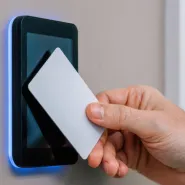
Access ID cards
Transform your access control systems with enviricard. It's how you make a clear statement about your commitment to the planet, all while ensuring seamless and secure entry for your members, employees, or guests.
Find out more
Membership cards
Looking to make your membership or loyalty scheme cards plastic-free? enviricard offers the sustainable solution without compromise. Our cards provide the perfect method for you to instantly print and issue member cards in the same way you can with plastic cards, but without the environmental burden.
Find out more
Contactless cards
Contactless payment. Enviripay™ from enviricard offers EMV banking standard embedded technology that enables you to migrate away from magnetic stripe for restricted and closed loop payments that run on Visa and Mastercard rails. Built with NXP technology fully compatible with tap to pay POS systems, enviriPay integrates seamlessly into your existing payment infrastructure.
Find out more
Enquire
Interested in making a real difference with your cards? We understand that switching to a sustainable card solution requires more than just good intentions.
Thank you
We’ll be in touch with you soon

Sustainability is fast rising up the “must have” credentials within our industry and having tried various different approaches, enviricards tick every box for us.