
The Fintech Guide to Mastercard's 2028 Sustainable Card Requirement
10 August 2026
From 1 January 2028, Mastercard will require every newly produced card to use certified sustainable materials instead of first-use PVC. Around six billion new Mastercards get produced every year, and card programmes typically take 18 to 24 months to migrate.
That means 2026 isn't early planning. It's the last year issuers can move without a rushed, expensive scramble in 2027.
2028 sounds like a problem for future you. It isn't. Future you is going to be very annoyed with present you if this gets left too late.
What Mastercard actually committed to
Let's be precise about this, because "sustainability commitment" gets thrown around so loosely in fintech that people switch off the second they see it.
This one has teeth.
From 1 January 2028, every newly-produced Mastercard must use recycled or bio-sourced materials, things like rPVC, rPET or PLA, certified through Mastercard's own Card Eco Certification mark. That's not a self-reported badge either. It's validated by an independent third-party auditor (Mastercard Newsroom).
Scale-wise, this is not a niche pilot scheme. Roughly six billion new Mastercards get produced globally every year. Mastercard's existing Sustainable Card Program already has 330+ issuers across 80 countries transitioning 168 million+ cards to recycled or bio-based materials (Mastercard, Sustainable Card Program).
And this isn't a rumour or a projection dressed up as a headline. Independent trade press has confirmed the accelerated timeline too (IOM3).
Think about it this way. A single payment network just told its entire supply chain the material spec is changing. That's not a trend piece. That's a procurement deadline with a hard date attached.
Why "recycled plastic" isn't the same as "plastic-free"
Here's where a lot of the coverage gets lazy, and where I want to be straight with you.
Mastercard's rule requires sustainable materials. It does not require the elimination of plastic. rPVC and rPET are still plastic. They're just not first-use plastic.
That distinction matters more than it sounds.
Recycling a payment card is itself a live industry debate. Most consumers never send an old card back to be recycled. It sits in a drawer, then it goes in general waste, regardless of what resin it was made from (Mastercard, "Shredding a myth about recycling"). Mastercard is candid about this themselves, which tells you how real the problem is.
The wider environmental footprint of the payment card industry backs this up too (Cash Essentials).
So where does a genuinely plastic-free, paperboard card fit into all this? It sidesteps the entire recycled-versus-virgin debate by removing PVC from the equation altogether. No resin type to argue about. No "will it actually get recycled" question to dodge. It just isn't plastic in the first place.
Take a look at our contactless cards if you want to see what that looks like in practice.
Who this affects first
Not every card programme feels this deadline at the same speed. Some feel it now.
Closed-loop and restricted-use programmes get hit hardest and soonest. Campuses, resorts, retail groups, shopping centres, anyone running a Visa or Mastercard-rail contactless programme at scale. These are exactly the programmes with the least flexibility to swap supplier at short notice.
Fintechs sit in a slightly different bind. Plenty have gone all-in on digital wallets as the "future," and fair enough, but most are still reliant on physical card stock for onboarding, accessibility, and the customers who simply prefer a card in their hand. That physical stock now has a material deadline attached to it whether the roadmap accounted for it or not.
If you're in either camp, our guide on enviricard for finance and fintech businesses and our piece on growing demand for sustainable fintech solutions are worth your time.
Building a 2026 migration timeline
This is the part people skip past, and it's the part that actually costs money if you get it wrong.
Card programme migration isn't a supplier swap you do over a long weekend. It touches material certification, DTC printer compatibility, chip encoding and the payment rails themselves. Rush it and you'll find that out the hard way, mid-migration.
A realistic timeline looks like this:
- 2026 - supplier evaluation and material certification review
- Late 2026 to 2027 - pilot runs and system compatibility testing across printers, chip encoding and payment rails
- Through 2027 - full card estate migration, completed ahead of the 1 January 2028 requirement
Notice what's missing from that list. 2028. If 2028 is the year you start planning, you've already missed the window to do it properly.
Have a look at our specifications and our credentials when you're ready to start that evaluation.
When does Mastercard's plastic-free card requirement take effect?
From 1 January 2028, every newly produced Mastercard must use certified sustainable materials rather than first-use PVC (Mastercard Newsroom).
Does Mastercard's 2028 rule apply to Visa cards too?
No. This is a Mastercard-specific commitment, made through its own Card Eco Certification programme. Visa hasn't published an equivalent hard deadline, though the wider industry direction is the same.
What is Mastercard's Card Eco Certification?
It's Mastercard's independently audited mark confirming a card has been produced using recycled or bio-sourced materials such as rPVC, rPET or PLA, rather than first-use plastic.
Is a paperboard payment card compatible with existing Mastercard and Visa rails?
Yes. A properly manufactured plastic-free card is fully EMV-compatible and works on standard contactless and chip infrastructure, no rail-level changes required.
How long does it take to migrate a card programme to a new material?
Most programmes need 18 to 24 months, covering supplier evaluation, certification, pilot testing and full estate rollout. That's exactly why 2026 is the practical starting point for a 2028 deadline.
The bottom line
2028 sounds distant right up until you map out the migration timeline backwards. Do that and 2026 is the year the clock actually starts.
Not on our watch is not a strategy. Starting the switch in 2026 is.
Talk to enviricard about a plastic-free, EMV-compatible card pilot. Get in touch.
What makes us different?
Certified biodegradable and compostable to EN13432 standards.
Compatible with major DTC printers
Engineered to be compatible with a wide range of existing direct-to-print dye-sublimation printers.







Replace plastic cards with enviricard
It’s time to replace plastic cards for good. envricard’s plain white cards are not just the sustainable choice; they're the perfect canvas for your brand. From loyalty, membership, gift and access cards, our sustainable cards are ready for your designs.

Event passes
From bustling conferences and vibrant festivals to exclusive VIP access, our cards provide a premium, eco-friendly solution. Elevate your attendees' experience while making a clear statement about your commitment to sustainability.
Find out more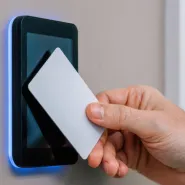
Access ID cards
Transform your access control systems with enviricard. It's how you make a clear statement about your commitment to the planet, all while ensuring seamless and secure entry for your members, employees, or guests.
Find out more
Membership cards
Looking to make your membership or loyalty scheme cards plastic-free? enviricard offers the sustainable solution without compromise. Our cards provide the perfect method for you to instantly print and issue member cards in the same way you can with plastic cards, but without the environmental burden.
Find out more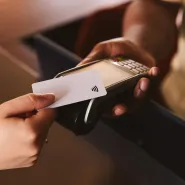
Contactless cards
Contactless payment. Enviripay™ from enviricard offers EMV banking standard embedded technology that enables you to migrate away from magnetic stripe for restricted and closed loop payments that run on Visa and Mastercard rails. Built with NXP technology fully compatible with tap to pay POS systems, enviriPay integrates seamlessly into your existing payment infrastructure.
Find out more
Enquire
Interested in making a real difference with your cards? We understand that switching to a sustainable card solution requires more than just good intentions.
Thank you
We’ll be in touch with you soon

Sustainability is fast rising up the “must have” credentials within our industry and having tried various different approaches, enviricards tick every box for us.